Duvets are bedding layers designed to provide warmth and comfort while covering the body during sleep. Their insulating performance depends on the filling, construction, and weight of the duvet. Understanding these characteristics helps people choose bedding suited to room temperature, personal warmth preferences, and seasonal use.
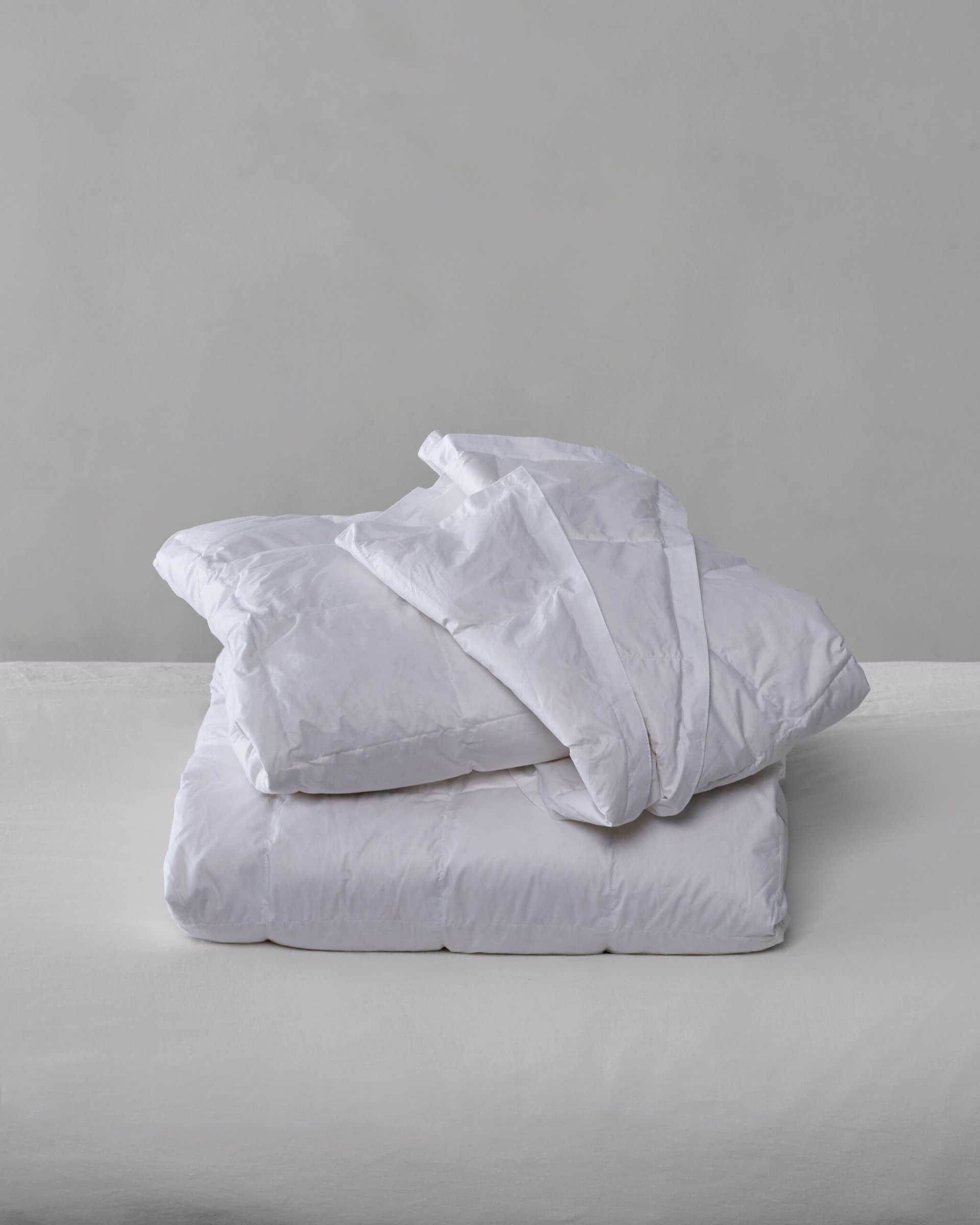
Duvet Filling Light is a lightweight option intended for sleepers who prefer less insulation or for use in warmer conditions. Its reduced weight can make it easier to handle and layer with sheets or other bedding. The appropriate warmth level depends on climate, indoor temperature, and individual comfort.
When comparing duvets, consider filling type, loft, weight, and how evenly the filling is distributed. These features influence warmth, drape, and the feel of the covering. Lightweight designs can suit naturally warm sleepers, while a separate comforter or additional blanket may provide more insulation when temperatures fall.
A coordinated bedding setup may include a duvet alongside pillows selected for individual support needs. Memory foam pillows and latex pillows differ in responsiveness and feel, but they serve a separate function from duvet filling. Considering each layer independently can help create a sleep environment suited to personal preferences.
Care requirements vary according to the duvet’s filling and fabric, so product labeling provides the most reliable guidance for cleaning, drying, and storage. Keeping bedding dry and following care instructions can help preserve its condition. A light duvet can also be practical for seasonal rotation and compact storage.
 Bedding