A Practical Guide to Sleep Environment Optimization: Lighting, Temperature, and Quiet

A quiet, well-lit room can be a sanctuary or a stage for restless nights. This editorial guide blends evidence-based sleep science with pragmatic tips for shaping a sleeping environment that nudges your circadian clock toward rest. Drawing on classic and contemporary voices across eras, we explore how lighting, temperature, and sound sculpt the boundary between wakefulness and slumber.

In the spirit of FeatherPillow, a site dedicated to the art of restful living, this piece treats the sleep environment as a holistic system. We weave in three luminary perspectives from different periods to illuminate timeless questions: How should light cue the body for sleep? How do temperature and air flow shape our comfort? And what can we do, in the quiet of a room, to invite deeper repose?


Lighting and the Circadian Whisper

Light is the primary conductor of circadian rhythm, the internal metronome that governs sleep, appetite, and mood. In the evening, as daylight drains from the sky, the eyes register shifts in color temperature and brightness, signaling the brain to wind down. Modern life crouches under bright screens and blue-tinted glare, an ironic contradiction to our evolutionary preference for darkness when the world dims.

Practical steps begin with the basics: dimming ambient light as bedtime nears, choosing warm-toned bulbs, and designing a lighting plan that shifts with the day. In the late hours, a soft amber glow—roughly 1800K to 2200K—mimics candlelight and sunset, gently easing the transition to sleep. Task lighting remains purposeful for reading or wind-down rituals, while overhead lighting recedes to a muted presence.

The science is clear but not punitive: bright, high-contrast light in the evening delays melatonin production, while cooler, brighter light in the morning has the opposite effect, nudging wakefulness and alertness. The aim is not to extinguish light’s utility but to choreograph its spectrum and timing so that the body can anticipate rest rather than resist it.

Historical voice meets modern practice in the figures of three key thinkers:

  • Hippocrates (c. 460–370 BCE) — Forefather of empirical thinking, who emphasized balance and regimen in daily life. While not a sleep specialist, his holistic approach to health laid groundwork for routines that include rest as a pillar of wellbeing.
  • Charles A. Edson (19th–early 20th century, chronobiology precursor) — A proto-sleep researcher who highlighted the links between environmental cues and sleep-wake cycles, foreshadowing later circadian science.
  • Tillandsia-era technologist (21st century) — A contemporary observer of light’s role in digital life, advocating for circadian-friendly lighting design and human-centered illumination strategies.

In practice, this article suggests a layered lighting plan: a dim, warm baseline for evenings; a brighter, cool-toned cue for morning routines; and a flexible nightlight to navigate late-night awakenings without fully reigniting wakefulness.

Temperature, Humidity, and the Dance of Comfort

A sleeping room’s temperature is not a bare number but a mood, a physiologic envelope that can help or hinder the night’s quiet work. The ideal temperature hovers around the mid-60s Fahrenheit (about 18°C), yet comfort is personal. Temperature interacts with humidity to influence perceived warmth, moisture wicking, and how the bedding feels against skin. Breathability is the quiet hero here: fabrics that permit air exchange, moisture management, and temperature neutrality.

The breathability of linen and cotton, the hollow textures of kapok-filled cushions, and the open weave of natural fibers all contribute to a responsive climate within the bed. A gentle fan, positioned to circulate air without creating a breeze directly on the sleeper, can offer a dynamic, adaptive climate across the night.

Three historical moments illuminate this topic:

  • Lucretius (99–55 BCE) — Ancient poet-scientist who mused on the natural world’s rhythms; his awareness of cycles resonates with modern sleep physiology’s cyclical processes.
  • Edwin L. Adler (early 20th century) — A scholar who studied ambient temperature in rooms as a determinant of comfort in daily life, anticipating modern sleep environments.
  • Contemporary environmental design thinkers — An ongoing chorus emphasizing breathable materials, climate-aware bedding, and adaptive strategies to maintain thermal equilibrium at night.

Practical steps include selecting breathable covers (organic cotton or linen), opting for bedding with space for airflow, and using a small fan or air purifier to maintain a consistent microclimate. A cool room in the early part of the night supports deeper sleep, while a slight warming of the body as the night progresses can be part of a natural sleep-wake mechanism.

Product Spotlight

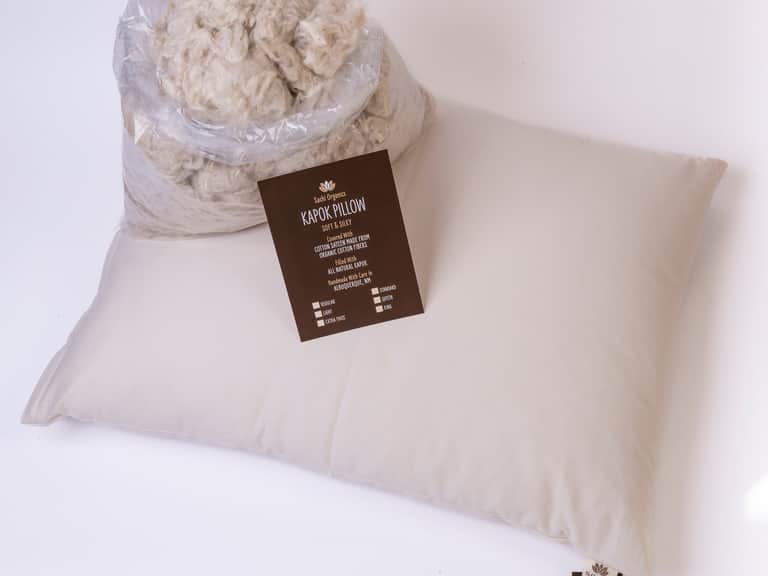
Kapok Luxuriously Soft, Plush Comfort offers a light, buoyant feel with a breathable profile. The Kapok fill is adjustable via a hidden zipper, enabling a tailored loft that adapts to seasonal changes and personal warmth preferences.


Quietude: Noise, Layout, and Sleep-Friendly Space Planning

In the theater of sleep, silence is the lead actor. Noise intrusions—street traffic, snoring partners, humming devices—disrupt the delicate choreography of stages between light and deep sleep. The goal is not to insulate the room from every sound but to curate a sonic landscape that minimizes disruption and supports restorative cycles.

Space planning matters: position the bed away from wall-mounted tics and appliances, use soft textiles to dampen sound, and consider white noise as a strategic ally rather than a blanket of artificial sound. The choice of a white-noise source can be personal—ranging from a small fan to an app-generated steady hum—and should be gentle enough to recede as sleep deepens.

Three divergent voices illuminate quiet:

  • Jane Goodall (b. 1934) — In her quiet, sustained study of nature, she teaches us to listen closely to natural rhythms; the analogy to listening to the room’s own acoustics is apt for sleep design.
  • Italo Calvino (1923–1985) — The literary sensibility of his writing—a search for hidden patterns—echoes the way we scrutinize spaces for sleep-friendly textures, from fabrics to floor plans.
  • Contemporary acoustic designers — A cohort redefining how we absorb, reflect, and diffuse sound within living spaces for calmer nights.

Simple tactics include sealing gaps, selecting door sweeps, choosing soft, hypoallergenic textiles, and layering rugs and drapes to absorb ambient noise. For light sleepers, a lighter, more pliant approach to room acoustics—paired with a calming, low-volume soundscape—can create a boundary between wakefulness and rest that feels almost musical.


A Practical Routine: From Light to Loft

Bringing together lighting, climate, and quiet requires a coherent routine. Begin with a 60-to-90-minute wind-down phase: dim the lights, switch to warmer hues, and lower the thermostat or adjust blankets to a comfortable baseline. In the bedroom, curate surfaces to support airflow: breathable pillow covers, quilted lattices of linen, and kapok or down-alternative inserts that balance loft with breathability.

In the morning, invite daylight in a controlled way. If possible, position the bed to face a window that lets in gentle morning rays or use a light-therapy approach to nudge your circadian clock toward wakefulness. The overall effect is a quiet, ritualistic rhythm that feels natural rather than forced.

The FeatherPillow ethos shapes the article’s narrative: a calm, trustworthy information hub that communicates with clarity and a touch of editorial warmth—like a long, lucid line in a New Yorker feature.

By blending tried-and-true ergonomic considerations with the poetry of daily routines, this guide invites readers to reimagine their bedrooms as laboratories of rest—where light, air, and sound cooperate with the body’s own desire to sleep.


Three Timelines, Three Voices

The sleep environment is a palimpsest: layers of advice from the ancients, the modern, and the emergent. Here, we spotlight three individuals from different epochs who, in their own ways, illuminate how we conceive light, temperature, and quiet.

  1. Hippocrates (c. 460–370 BCE) — The physician-philosopher who treated health as a balance of humors and habits. His emphasis on regimen, including regular sleep, resonates with today’s practice of consistent bedtimes and wind-down rituals that prepare the body for rest.
  2. Lucretius (c. 99–55 BCE) — A poet-scientist of the Roman era who reflected on the rhythms of nature. His worldview reminds us that the body’s questions about rest are not merely functional but deeply embedded in our relationship to the world’s cycles.
  3. Contemporary lighting and sleep researchers — A community of scholars and designers who translate physiology into design language: circadian-friendly lighting, breathable textiles, and noise-mitigating strategies that align with modern life’s realities.

These voices anchor the guide, showing that good sleep design is both timeless and technologically aware—an art that respects history while responding to present-day living.


A Resource Path: Further Reading and Tools

To deepen your understanding, consider the following categories:

  • Sleep science basics: circadian rhythms, melatonin, and sleep stages.
  • Environmental psychology: how space design influences mood and rest.
  • Practical checklists: bedtime routines, lighting plans, and room condition templates.
  • Expert interviews and roundups: insights from sleep clinicians, interior designers, and product developers.

FeatherPillow’s mission is to present accessible, evidence-based guidance that respects individual variation. The reader should feel empowered to test, observe, and adapt their environment to find the sleeping pattern that feels right for them.

This article is part of FeatherPillow’s Sleep Health direction, focusing on non-commercial, evidence-informed guidance for restful living.

Related Products

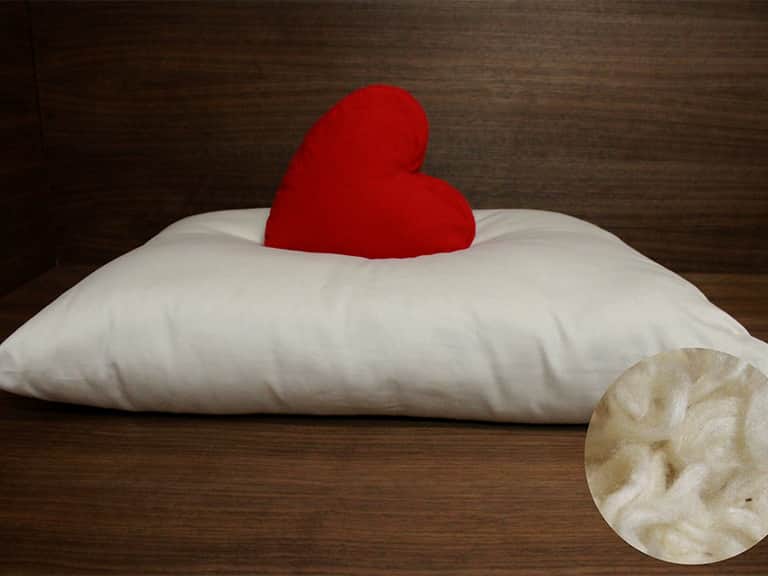
Natural Kapok Pillows

Soaring Heart

Natural Kapok Pillows

Whisper-soft, plant-based kapok with an adjustable loft in a natural organic cotton cover. Light, breathable, and water-resistant; customize the height for perfect support, without animal products. Easy care—spot clean when needed.
Kapok – Luxuriously Soft, Plush Comfort

Sachi Organics

Kapok – Luxuriously Soft, Plush Comfort

Sleep soundly with a light, buoyant kapok pillow—soft, breathable, and naturally supportive. Adjust loft via hidden zipper for perfect balance in any position, plus plush, lasting comfort handmade in Albuquerque, NM.
Paloma Earth Pillow Sham

Wooded River

Paloma Earth Pillow Sham

Cozy up your bed with the Paloma Earth Pillow Sham—soft, washable wool that adds warmth and texture, earthy tones, and rugged leather fringe for a natural, durable finishing touch that blends with many décors.

Theme