Comforters are bedding layers designed to provide warmth and help regulate comfort during sleep. Their usefulness depends on factors such as filling, weight, breathability, and construction. Understanding these characteristics can help distinguish a lightweight comforter from a heavier option and determine how it may suit different seasons, room temperatures, and personal sleep preferences.
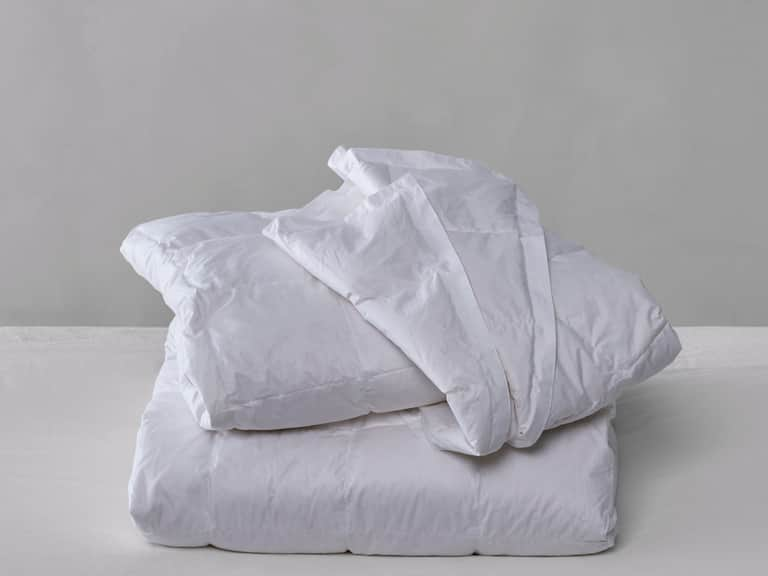
Duvet Filling Light is a lightweight comforter option intended for sleepers who prefer less insulation or need bedding for milder conditions. Its reduced weight can make it easier to arrange and layer, while offering a covering that does not feel as substantial as a heavier duvet filling. Suitability depends on individual warmth needs and the surrounding climate.
When evaluating light comforters, consider the filling material, stitching, fabric cover, and care guidance. These features influence how evenly the filling stays distributed, how the comforter feels against the body, and how it can be maintained. Breathable construction may help limit heat buildup, while a duvet cover can provide a removable protective layer.
Comforters are part of a broader bedding system that may include sheets, blankets, and pillows. Pillow choices such as memory foam pillows or latex pillows address head and neck support, while a comforter primarily contributes warmth and coverage. Coordinating these elements by weight and material can support a more comfortable sleep environment across changing seasons.
A light duvet filling may work well as a standalone layer in warmer weather or beneath additional bedding when temperatures fall. The Duvet Filling Light category therefore focuses on comforters where manageable weight and adaptable layering are key considerations. Comparing dimensions, filling details, and maintenance instructions helps clarify how a comforter may fit particular bedding needs.
 Bedding